Passing
Elevate your playmaking in Practical Basketball with passing guides, assist strategies, no-look passes, and court vision techniques.
Introduction
Elevate your playmaking and court vision with our comprehensive passing guides for Practical Basketball. From fundamental chest passes and bounce passes to advanced no-look dishes and alley-oop lobs, we break down every pass type with timing windows, accuracy ratings, and ideal situations. Learn how to read defenses before the pass, use icon passing for precision targeting in traffic, and develop the extra-pass mentality that creates open shots for your teammates. Whether you run the offense as a point guard or want to improve your assist numbers, our guides will transform you into an elite playmaker.
Passing Quick Reference
| Pass Type | Speed | Accuracy | Best Situation |
|---|---|---|---|
| Chest Pass | Fast | High | Open Court |
| Bounce Pass | Medium | High | Traffic |
| Lob Pass | Slow | Medium | Alley Oop |
| No-Look | Fast | Low | Flash Plays |
Passing Overview
Chest Pass
The fastest and most accurate pass for open-court situations
Bounce Pass
Accurate delivery through traffic with a ground-level trajectory
Lob Pass
Arcing pass for alley-oop opportunities and over-the-top delivery
No-Look Pass
Misdirection pass that looks away from the actual target
Core Mechanics
The passing system in Practical Basketball includes four primary pass types with distinct speed, accuracy, and situational profiles. The chest pass is the fastest and most accurate for open-court situations, while the bounce pass excels in traffic where defenders occupy the passing lane. Lob passes create alley-oop opportunities but travel slowly with moderate accuracy. No-look passes add misdirection for advanced playmakers but carry the highest interception risk. Icon passing enables direct targeting of specific teammates by their button indicator, essential for quick decisions in traffic. Court vision mechanics reward players who scan the floor before receiving the ball, and the extra-pass mentality consistently generates open shot opportunities that forced shots cannot replicate.
Advantages
Practical Basketball's passing system gives playmakers an incredibly satisfying toolkit for running the offense. The four distinct pass types create genuine strategic variety — chest passes for speed, bounce passes for traffic, lobs for alley-oops, and no-look passes for misdirection. Icon passing enables precision targeting in chaotic situations where directional aiming would fail. The court vision mechanics reward players who read the floor and anticipate openings before receiving the ball. The extra-pass mentality built into the gameplay flow means unselfish basketball is consistently rewarded with higher-percentage shot opportunities, making team play the most effective offensive strategy in competitive matches.
Challenges
The passing system can feel simplistic at higher competitive levels, with limited pass animation variety compared to the depth of the dribbling and shooting systems. Turnover-prone passes are heavily punished with no risk-reward balance for attempted highlight plays. No-look passes carry interception rates that make them impractical for consistent use despite being the most exciting pass type. The icon passing system is not well-explained in-game, leaving many players unaware of the most efficient targeting method. Additionally, receiving players sometimes fail to catch passes that appear accurate, creating frustrating moments where clean passes are dropped. Court vision is difficult to develop without dedicated practice tools that simulate defensive rotations and passing lane reads.
Frequently Asked Questions
What is the most accurate pass type?+
How do I throw a no-look pass?+
How can I improve my assist count?+
Quick Tips
Make the simple pass — flashy passes look cool but chest and bounce passes are more reliable and less likely to be intercepted.
Use the icon passing system for quick targeting in traffic. It lets you pass directly to a specific teammate without aiming.
Look opposite of where you want to pass before throwing. This misdirects defenders and creates better passing angles.
Featured
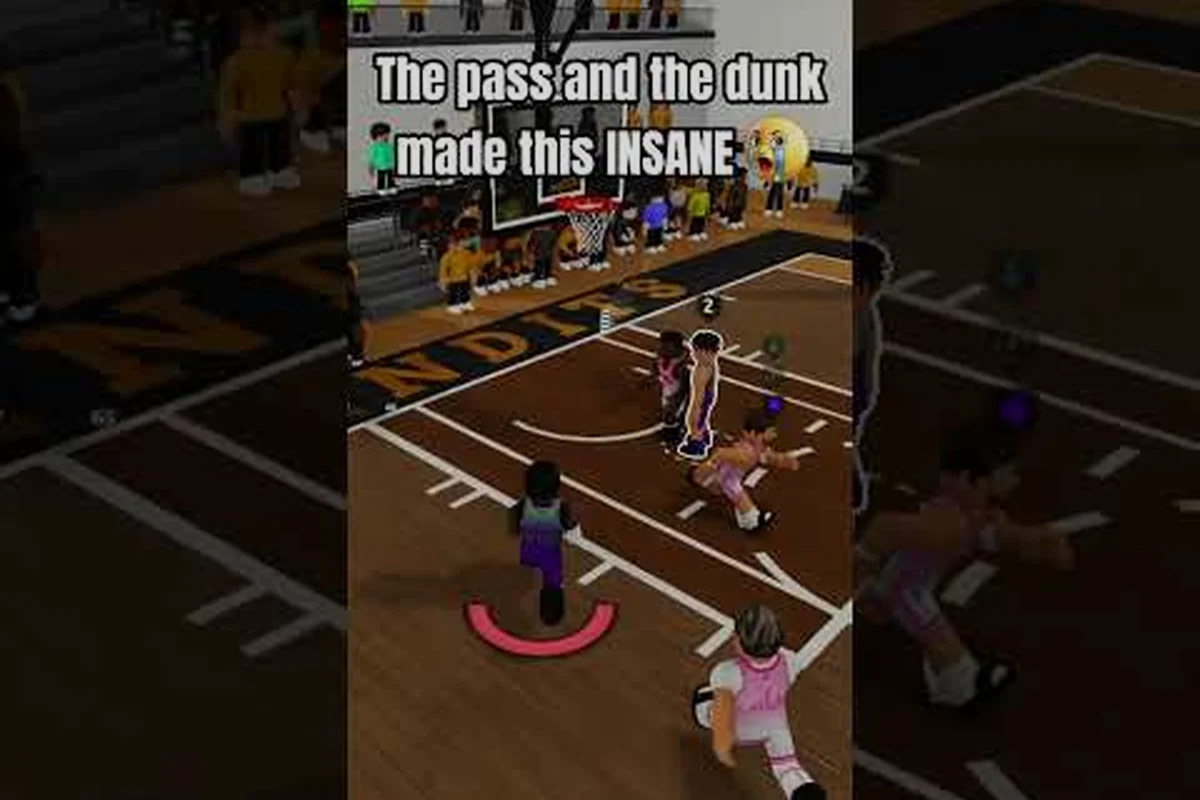
Practical Basketball Assist Tips: How to Get More Dimes
Master practical basketball assist tips to boost your playmaking stats and control the game. Learn court vision, timing, and passing combos to dominate in Roblox.
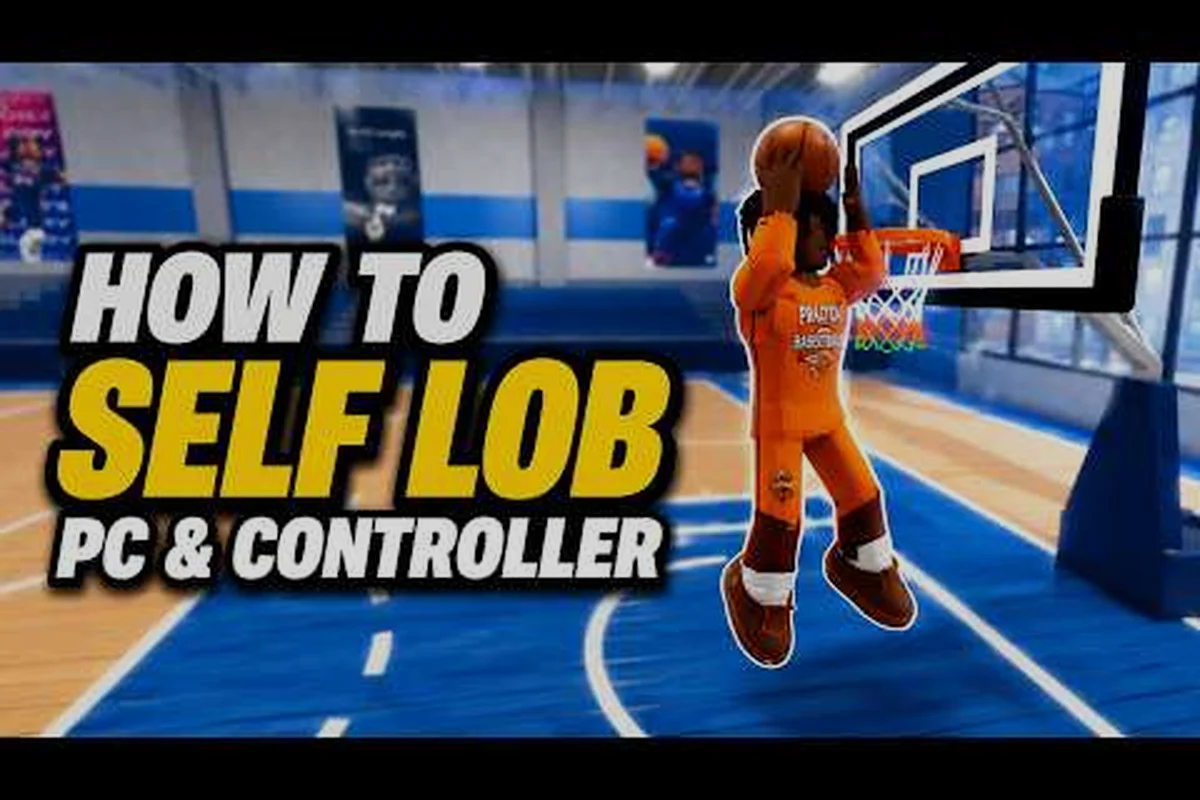
Practical Basketball Bounce Pass: A Complete Passing Guide
Master the practical basketball bounce pass in Roblox to bypass defenders and rack up assists. Learn mechanics, angles, and pro tips in this 1600+ word guide.
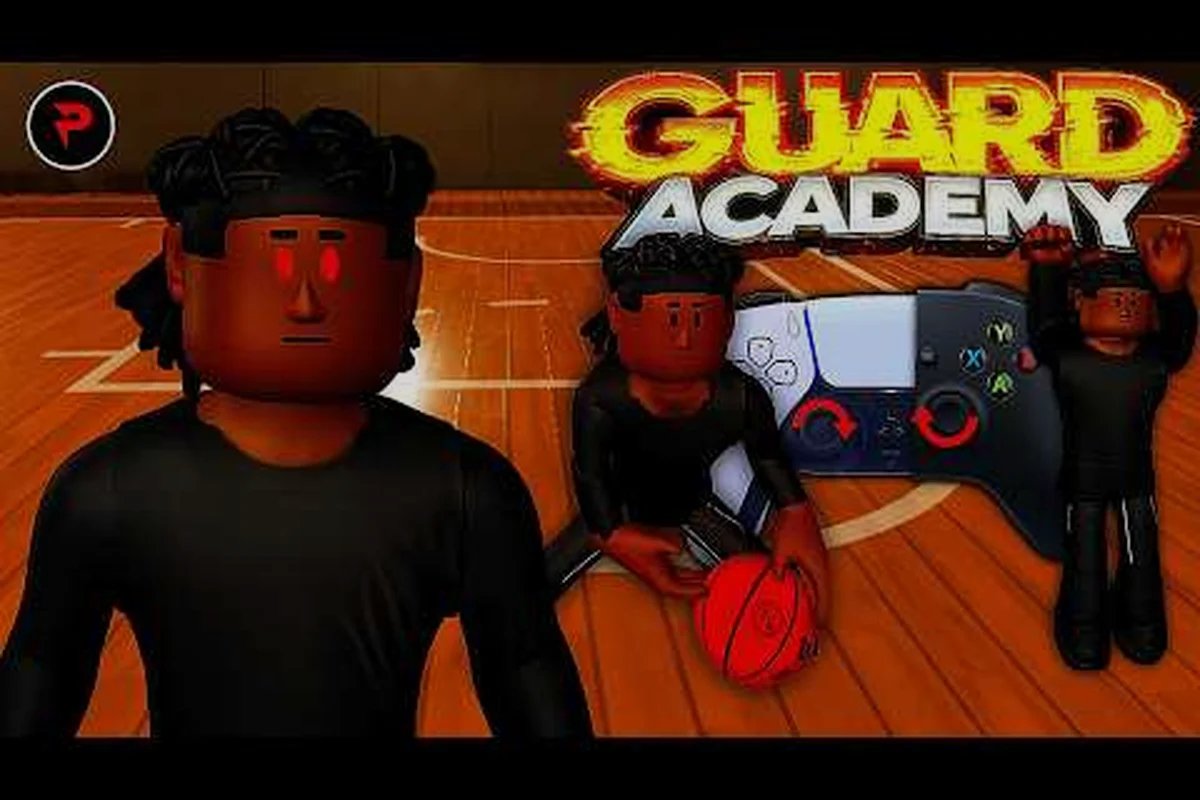
Practical Basketball Passing Guide: Assists & Vision
Elevate your game with our Practical Basketball passing guide. Learn bounce passes, skip passes, and court vision techniques to boost your assists and win more games.
All Articles
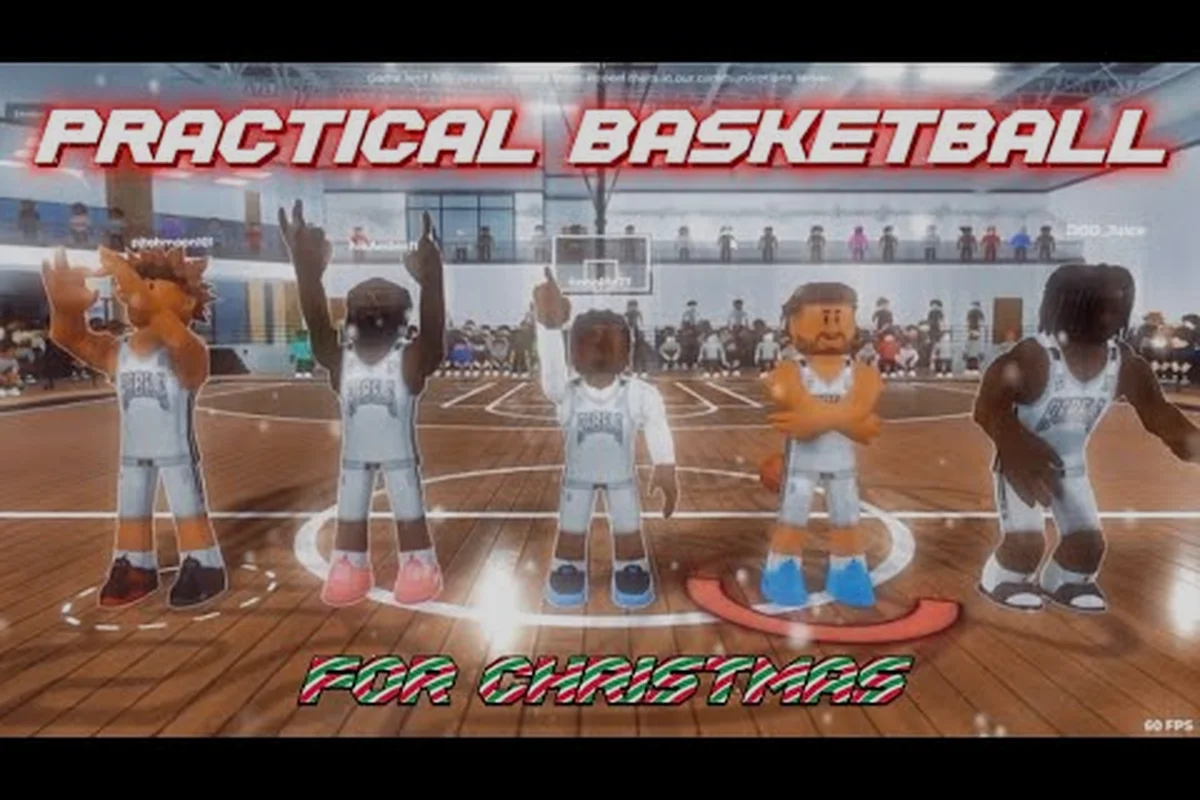
Practical Basketball No Look Pass: Master Deceptive Passing
Learn the Practical Basketball no look pass technique to freeze defenders and create easy assists. Master deceptive court vision with our step-by-step guide.
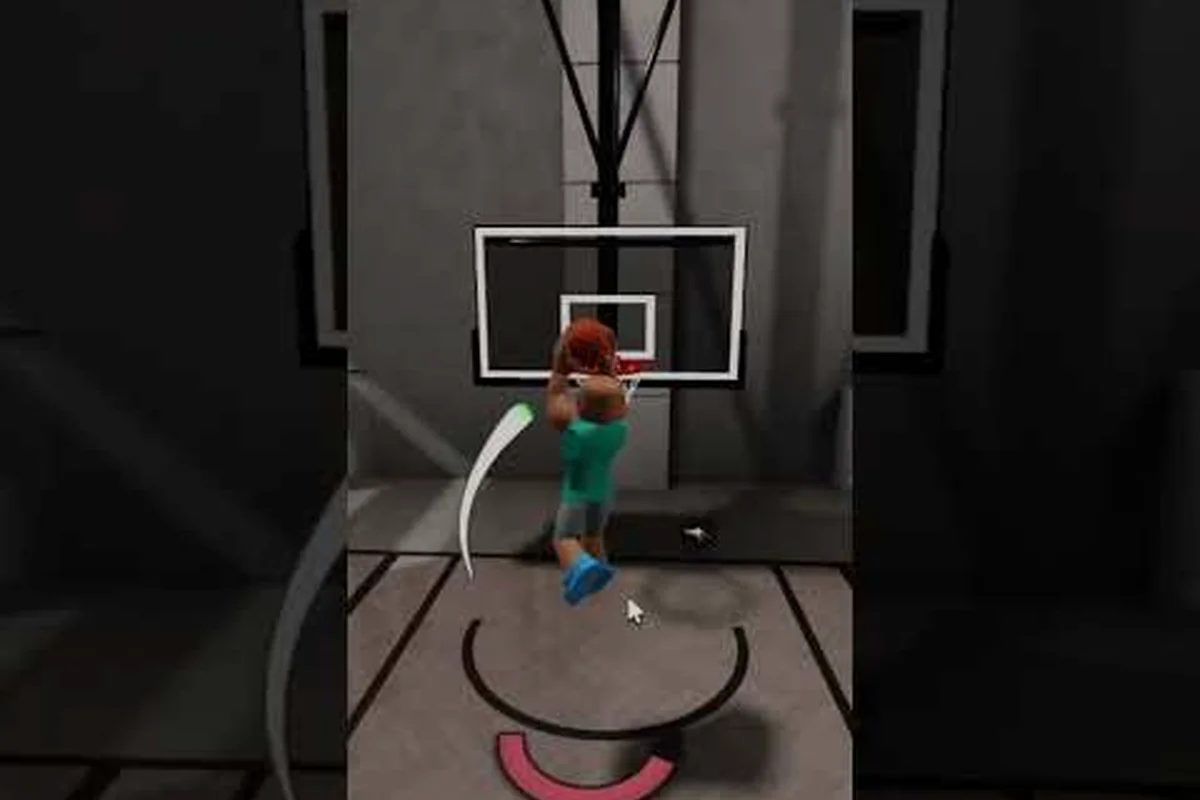
Practical Basketball Outlet Pass: Master Fast Break Scoring
Learn the mechanics, timing, and strategy behind the practical basketball outlet pass. Turn defensive rebounds into instant offense with this advanced guide.

Practical Basketball Playmaking Tips for Elite Court Vision
Master the art of passing in Practical Basketball with advanced playmaking tips. Learn to read defenses, set up teammates, and control the game's tempo.
Practical Basketball Alley Oop: Execution & Timing
Master the practical basketball alley oop in Roblox. Learn the button inputs, timing, positioning, and chemistry mechanics to execute perfect lob finishes every time.

Practical Basketball Pick and Roll Pass: Playmaking
Master the pick and roll pass in Practical Basketball. Learn timing, angles, and advanced setups to turn every screen into an assist opportunity.