
Tier List
Discover the best positions, builds, and playstyles in Practical Basketball with our comprehensive tier list rankings and meta analysis.
Introduction
Discover the most effective positions, builds, and playstyles in Practical Basketball with our data-driven tier list rankings. We evaluate every position across multiple criteria including offensive impact, defensive versatility, skill ceiling, and competitive win rates to provide an objective S-through-C tier ranking. Each position entry includes recommended attribute builds, ideal team compositions, and matchup-specific strategies. Our tier list is updated regularly to reflect balance changes from each stress test patch, ensuring you always have the most current competitive meta information to inform your position choice and build optimization.
Tier List Quick Reference
| Tier | Position | Strength | Best Build |
|---|---|---|---|
| S | Point Guard | Playmaking | Pass First |
| A | Shooting Guard | Scoring | 3PT Specialist |
| A | Center | Defense | Glass Cleaner |
| B | Small Forward | Versatility | Two Way |
| C | Power Forward | Rebounding | Post Scorer |
Tier List Overview
Point Guard
The playmaking maestro with the highest competitive impact
Shooting Guard
Elite perimeter scorer with reliable three-point shooting
Center
Defensive anchor and paint protector with rim presence
Small Forward
Versatile two-way player with balanced offensive and defensive tools
Power Forward
Rebounding specialist with inside scoring and post moves
Core Mechanics
The tier list system in Practical Basketball ranks positions from S tier through C tier based on competitive performance data, skill ceiling analysis, and team composition impact. S-tier positions dominate the current meta with the highest offensive output and playmaking versatility. A-tier positions offer strong specialized performance in their core role. B-tier positions provide solid generalist value with room for skill expression. C-tier positions have more limited impact or require specific team compositions to excel. Rankings factor in offensive rating, defensive rating, skill ceiling depth, and matchup flexibility, updating regularly as balance patches shift the competitive landscape during each stress test phase.
Advantages
Practical Basketball's tier list provides objective, data-driven position rankings that help players make informed decisions about their main position and build investment. The multi-criteria evaluation — offensive impact, defensive versatility, skill ceiling, and competitive win rates — creates a nuanced ranking beyond simple popularity. Each position entry includes recommended builds and team composition advice, giving players actionable competitive insights. Regular updates aligned with balance patches ensure the rankings reflect the current meta accurately. The tier list serves as both a beginner orientation tool and a competitive reference, helping new players choose their first position while informing veterans about meta shifts.
Challenges
Tier lists are inherently subjective and can oversimplify position evaluation by reducing complex gameplay to single-letter rankings. The current tier list reflects the Stress Test 3 meta, which may change significantly with future balance patches, making rankings temporarily inaccurate. Some positions perform far better in specific team compositions than their tier suggests, creating misleading impressions of viability. The skill ceiling difference means a highly skilled player on a lower-tier position can outperform an average player on an S-tier position, yet the tier list format does not capture this nuance. New players may avoid exploring lower-tier positions that actually match their playstyle, limiting their development and enjoyment based on perceived tier disadvantages.
Frequently Asked Questions
How do I get started in Practical Basketball?+
What is the best beginner position?+
How long does it take to get good?+
Quick Tips
Don't chase S-tier blindly — choose a position that matches your natural playstyle. A skilled B-tier player will consistently outperform an uninvested S-tier player because position mastery matters more than raw tier ranking in competitive matches.
Tier rankings reflect the general meta but team composition matters more. An A-tier Center paired with an A-tier Shooting Guard can outperform a team of S-tier Point Guards through synergy, spacing, and complementary skill sets that tier rankings do not capture.
After each balance patch, re-evaluate your build and position choice. Tier rankings shift when the developers adjust shot timing windows, dribble speed, or defensive steal rates — even small changes can move a position up or down a full tier level.
Featured

Practical Basketball Best Builds: Top Builds Per Position
Discover the best builds in Practical Basketball with complete attribute breakdowns, badge setups, and playstyle guides for every position on the court.

Practical Basketball Power Forward Build: Dominate the Paint
Master the ultimate Practical Basketball power forward build. Stats, badges, and playstyle guide to control the paint, grab rebounds, and score from mid-range.

Practical Basketball Tier List: Best Position Rankings
Cut through the noise with our definitive Practical Basketball tier list. Discover which positions dominate the court and which builds lead to consistent wins.
All Articles

Practical Basketball Best Point Guard Build: Full Guide
Master the court with our Practical Basketball point guard build guide. Discover the best attributes, badges, and playstyles to dominate as a floor general.
Practical Basketball Position Ranking: Best Roles Tier List
Discover the ultimate Practical Basketball position ranking for 2026. We rank every role from S to C tier based on team impact, scoring, and defense.
Practical Basketball Shooting Guard Tier: S-D Rankings
Complete Practical Basketball shooting guard tier list ranking all builds from S to D. Find the best shooting guard attributes, badges, and playstyle for the two-guard.
Practical Basketball Small Forward Ranking: Top SF Builds
Master the wing with our Practical Basketball small forward ranking. Discover the best SF builds, key attributes, and playstyles to dominate the court.
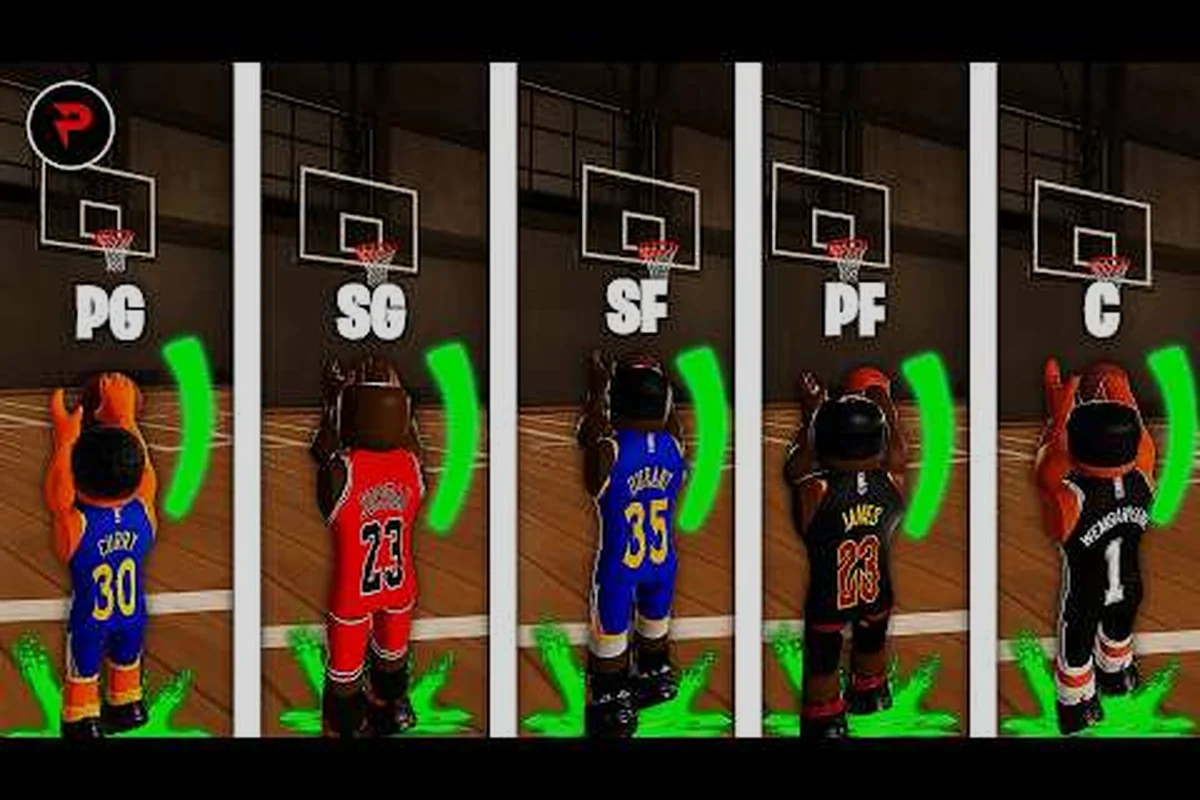
Practical Basketball Center Build: Dominating the Paint
Unlock the ultimate Practical Basketball center build. Master rebounding, blocking, and inside scoring with our tier list of the best center attributes and strategies.